
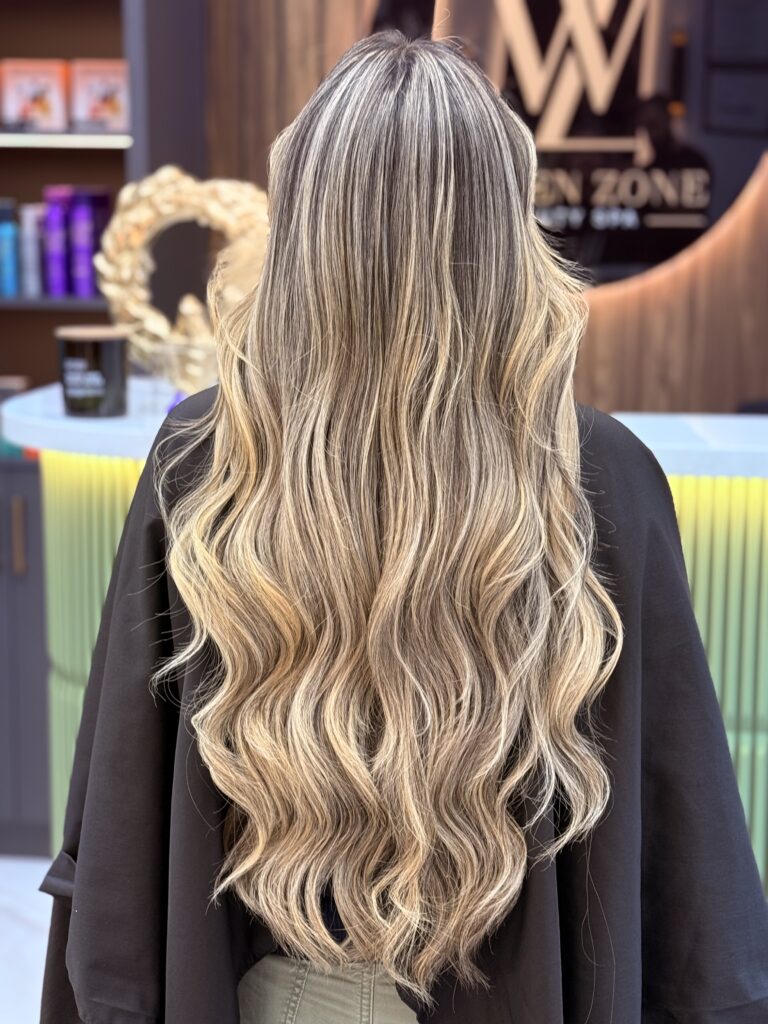

Salon-coloured hair can look vibrant, glossy, and fresh when you first leave the salon, but maintaining that result at home requires more than simply using a regular shampoo and conditioner. Washing frequency, heat styling, water temperature, sun exposure, indoor heating, and the products you use can all influence how quickly colour fades or hair becomes dry.
For women in Oakville, seasonal changes can make hair maintenance even more important. Cold winter air, dry indoor heating, humid summer days, and frequent exposure to sunlight can affect both the appearance and condition of coloured hair. A simple, consistent home-care routine can help preserve your colour while keeping your hair soft and manageable between salon appointments.
Whether you have balayage, highlights, all-over colour, dimensional brunette tones, blonde hair, or another professional colour service, the goal is the same: protect the colour while maintaining healthy-looking hair.
Why Salon-Coloured Hair Needs Special Care
Hair colouring changes the structure of the hair. Depending on the service, the process may involve lifting the natural pigment, depositing colour, or both. This can make the hair more sensitive to dryness, friction, heat, and environmental exposure.
That does not mean coloured hair is automatically damaged. Professional colouring can be performed carefully with appropriate products and techniques. However, once you leave the salon, your daily routine becomes an important part of maintaining the result.
Some of the most common reasons salon colour loses its fresh appearance include:
- Washing the hair too frequently
- Using very hot water
- Using harsh cleansing products
- Frequent heat styling
- Excessive sun exposure
- Chlorinated water
- Not conditioning the hair properly
- Rough towel drying
- Brushing aggressively
- Waiting too long between professional maintenance appointments
The good news is that many of these factors can be managed with simple changes.
1. Avoid Washing Your Hair Too Frequently
One of the easiest ways to help maintain salon-coloured hair is to reconsider how often you wash it.
Every time you shampoo, water and cleansing ingredients can gradually remove some of the colour deposited during a colouring service. This is particularly noticeable with certain vibrant shades, red tones, fashion colours, and darker shades that lose their richness over time.
Instead of automatically washing your hair every day, consider whether your scalp actually needs daily cleansing.
For many women, washing two or three times a week may be enough, although the ideal schedule depends on scalp type, hair texture, lifestyle, exercise habits, and the type of colour service.
If your roots become oily between washes, a suitable dry shampoo may help extend the time between washes. However, dry shampoo should not replace proper scalp cleansing indefinitely.
The goal is not to avoid washing altogether. It is to create a routine that keeps your scalp comfortable without unnecessarily exposing your coloured hair to repeated washing.
2. Use Products Designed for Colour-Treated Hair
Your shampoo and conditioner are among the most important products in your home-care routine.
A shampoo designed for colour-treated hair can help provide gentler cleansing while supporting the appearance of your colour. A suitable conditioner helps reduce dryness and makes the hair easier to detangle.
When selecting products, look beyond the word “colour” on the bottle. Consider your actual hair needs.
For example:
- Dry hair may need richer conditioning.
- Fine hair may need lightweight moisture.
- Curly hair may require additional hydration.
- Bleached hair may benefit from a strengthening routine.
- Blonde hair may occasionally need a toning product.
- Oily scalps may require a different cleansing approach from dry scalps.
The same product does not work equally well for every head of hair.
A professional consultation can help you understand what your coloured hair needs rather than purchasing products simply because they are trending online.
3. Turn Down the Water Temperature
A long, hot shower can feel relaxing, especially during an Oakville winter, but very hot water is not ideal for coloured hair.
Hot water can contribute to dryness and may make the hair feel rougher. It can also make maintaining colour more challenging when combined with frequent washing.
Try using lukewarm water when washing your hair.
You can also keep your shower comfortably warm while avoiding directing extremely hot water onto your scalp and hair for extended periods.
A useful routine is:
- Wet the hair with lukewarm water.
- Apply shampoo primarily to the scalp.
- Massage gently rather than aggressively scrubbing the lengths.
- Rinse thoroughly.
- Apply conditioner through the mid-lengths and ends.
- Rinse with cooler or lukewarm water.
This small adjustment can make your regular wash routine more colour-friendly.
4. Do Not Skip Conditioner
Coloured hair often benefits from consistent conditioning because chemical services can leave the hair more vulnerable to dryness.
Apply conditioner mainly from the mid-lengths toward the ends, especially if your scalp becomes oily quickly.
Allow the conditioner to sit for the recommended amount of time rather than rinsing it immediately.
For hair that feels particularly dry, a weekly or occasional deep-conditioning treatment may also be useful.
However, avoid assuming that more product is always better. Fine hair can become weighed down by heavy treatments, while thick or textured hair may require more substantial conditioning.
Your hair’s texture, density, colour process, and current condition should guide the routine.
5. Reduce Heat Styling
Blow dryers, straighteners, curling irons, and other heated tools can change the way coloured hair looks and feels over time.
Heat does not necessarily mean you have to stop styling your hair completely. Instead, focus on reducing unnecessary heat exposure.
Before using a heated styling tool:
- Apply an appropriate heat-protectant product.
- Avoid using the highest temperature setting unless necessary.
- Make sure the hair is properly prepared before using a flat iron or curling iron.
- Avoid repeatedly passing a hot tool over the same section.
- Give your hair occasional breaks from heat styling.
For everyday Oakville life, simple styles that require less heat can be a useful part of your routine.
For example, you might alternate between a blow-dried style and an air-dried look rather than using multiple heated tools every day.
6. Protect Your Hair From Oakville’s Seasonal Weather
Local weather is an important part of hair care.
Oakville experiences noticeable seasonal changes, and coloured hair can respond differently to these environmental conditions.
Winter
Cold outdoor temperatures combined with dry indoor heating can leave hair feeling less hydrated.
During winter, consider:
- Using a moisturizing conditioner.
- Limiting extremely hot showers.
- Wearing a soft-lined hat or protecting your hair when outdoors.
- Avoiding excessive heat styling.
- Using a leave-in conditioner when appropriate.
Spring
Changing temperatures and humidity can affect frizz and styling.
Continue conditioning regularly and adjust your products if your hair begins feeling heavier or drier than usual.
Summer
Sun exposure can affect coloured hair, while swimming can expose hair to chlorine.
If you spend time outdoors, consider protecting your hair with a hat or suitable UV-protective hair product.
If you swim regularly, rinse your hair with clean water before and after swimming and use products appropriate for swimmers and colour-treated hair.
Fall
Cooler weather can bring another change in moisture levels.
It can be a good time to reassess your hair-care routine and schedule a professional consultation if your colour, ends, or overall condition no longer look the way you want.
7. Be Careful With Sun Exposure
Your skin is not the only thing that needs protection from the sun.
UV exposure can affect the appearance of coloured hair and may contribute to fading, dryness, and changes in tone over time.
This can be particularly relevant during summer when you spend more time outdoors.
If you are going to be outside for an extended period, consider:
- Wearing a hat.
- Using a hair product that provides UV protection.
- Avoiding unnecessary prolonged direct sunlight.
- Conditioning your hair regularly.
Think of UV protection as part of colour maintenance rather than something reserved for vacations.
8. Take Extra Care If You Swim
Swimming can be enjoyable throughout the year, but chlorinated water can be challenging for colour-treated hair.
Before entering a pool, wetting your hair with clean water can reduce the amount of pool water absorbed by the hair.
After swimming:
- Rinse your hair thoroughly.
- Use a suitable cleanser when needed.
- Condition the hair.
- Avoid aggressive towel drying.
If you swim frequently, speak with a professional about how to adapt your hair-care routine around your swimming schedule.
9. Dry Your Hair Gently
The way you dry your hair can also affect its condition.
Rubbing wet hair aggressively with a regular towel creates unnecessary friction and can contribute to frizz and breakage.
Instead, gently squeeze out excess water and use a soft towel or suitable hair-drying material.
Do not twist the hair tightly.
When brushing wet or damp hair, use an appropriate brush or wide-tooth comb and start from the ends, gradually working upward.
This is especially useful for highlighted, lightened, or chemically processed hair that may be more fragile.
10. Choose a Hairbrush Carefully
Brushing seems simple, but technique matters.
Start at the ends and gently remove tangles before moving toward the roots. Pulling a brush aggressively from the scalp to the ends can increase tension on tangled sections.
If your hair is curly, textured, highlighted, or particularly prone to tangling, your brushing method should be adjusted accordingly.
You may also find that detangling with conditioner in the shower works better than brushing completely dry hair.
The right technique can help reduce unnecessary breakage and keep coloured hair looking smoother.
11. Do Not Overuse Purple or Toning Products
Women with blonde, highlighted, or lightened hair often use purple shampoo to help manage unwanted yellow tones.
However, more is not always better.
Using a purple or toning product too frequently can sometimes make the hair appear dull or overly cool, depending on the hair and product.
Follow the product instructions and consider your actual colour needs.
If your blonde begins looking noticeably different from the tone you received at the salon, a professional toner or colour refresh may be more appropriate than repeatedly using at-home toning products.
12. Be Careful With DIY Colour Corrections
One of the biggest mistakes after professional colouring is attempting a major correction at home.
For example, if your colour appears slightly warmer, darker, lighter, or more uneven than expected, adding another box dye or bleaching product may create a much bigger problem.
Colour correction can involve understanding:
- Existing pigment
- Natural hair colour
- Previous colour history
- Porosity
- Lightening levels
- Undertones
- Previous chemical treatments
Instead of experimenting with multiple products, speak with a professional colourist.
Sometimes a simple toner or gloss is enough. In other cases, the hair may need a more structured correction.
13. Use a Weekly Hair Mask When Needed
A weekly hair mask can be useful for coloured hair, especially if the hair feels dry.
But choose the mask based on your hair’s needs.
A moisturizing mask can help hair that feels dry or rough, while a strengthening treatment may be more suitable when hair feels weak or fragile.
Do not automatically use intensive protein treatments every week. Too much of a particular type of treatment can make some hair feel stiff or less manageable.
A balanced routine usually works better than repeatedly using the strongest product available.
14. Sleep With Your Hair in a Low-Friction Style
Nighttime habits can also affect coloured hair.
If your hair becomes tangled easily, consider loosely securing it before sleeping rather than leaving it in a tight hairstyle.
A loose braid or gentle protective style may help reduce tangling.
You can also consider a smooth pillowcase material if friction is a recurring issue.
Avoid extremely tight ponytails or buns, especially if your hair is already fragile.
15. Keep Your Haircut Maintained
Colour is only one part of how polished your hair looks.
Split or dry ends can make even beautiful colour appear less healthy.
Regular trims can help maintain the shape of your haircut and remove damaged ends when necessary.
You do not necessarily need a major haircut every time you visit the salon. A small trim can sometimes be enough to maintain the overall appearance.
The ideal schedule depends on your hairstyle, hair growth, condition, and personal preferences.
16. Know When Your Hair Needs Professional Attention
Home care can maintain your colour, but it cannot replace every professional service.
Consider scheduling a salon appointment if you notice:
- Significant colour fading
- Unwanted brassy tones
- Visible roots
- Dry or damaged ends
- Uneven colour
- Excessive breakage
- Loss of shine
- Difficulty managing your hair
- A need for a colour change
Professional maintenance is particularly important when your colour involves highlights, balayage, bleaching, major colour changes, or multiple tones.
A consultation can help determine whether you need a full colour service, toner, gloss, treatment, trim, or simply a change in your home-care routine.
How Often Should You Refresh Salon Colour?
There is no universal schedule because colour maintenance depends on the service.
Someone with a low-maintenance balayage may go longer between appointments than someone with a noticeable root colour.
Your colourist may recommend a schedule based on:
- Your natural hair colour
- The shade you selected
- Grey coverage
- Amount of lightening
- Hair growth
- Colour fading
- Hair condition
- Your preferred appearance
Rather than booking the same service automatically every few weeks, ask what your hair actually needs.
This can help prevent unnecessary processing and keep your hair healthier over time.
When to Visit a Beauty Salon in Oakville
Local convenience can make professional maintenance easier to keep up with.
If you are searching for a beauty parlour or salon in Oakville, look for professionals who take time to understand your hair history and desired result rather than simply recommending a standard service.
A good consultation should consider previous colour treatments, your daily routine, styling habits, hair texture, and maintenance expectations.
For women who want several beauty services in addition to hair care, choosing a salon that provides a broader range of services can also make routine appointments more convenient.
For example, you may want to coordinate hair maintenance with skincare, nails, waxing, or event preparation.
Hair Care and Your Overall Beauty Routine
Maintaining coloured hair does not have to mean having an elaborate beauty routine.
The most effective approach is usually consistent and realistic.
A basic routine might look like this:
Wash days:
Use colour-friendly shampoo and conditioner, avoid very hot water, and dry gently.
Between washes:
Protect the hairstyle, minimize unnecessary heat, and use appropriate dry shampoo if required.
Weekly:
Use a suitable conditioning or treatment product based on your hair’s needs.
Monthly or as needed:
Assess your colour, roots, ends, and overall condition.
Professional appointments:
Refresh colour, toner, treatments, trims, or styling according to your individual maintenance schedule.
And remember that hair care is only one part of a complete beauty routine. If you’re also searching for women facial near me, consider how your skincare and hair-care appointments can fit into your overall self-care schedule without overcomplicating it.
How Women Zone Beauty Spa Approaches Hair Maintenance
For women looking for a women salon Canada option with a professional, personalized approach, the most important factor is not simply the number of services available. It is whether the salon takes the time to understand what your hair actually needs.
At WOMEN ZONE Beauty Spa, consultations can help women understand their colour, hair condition, styling routine, and appropriate maintenance between appointments. The goal is to make professional hair care easier to continue at home rather than relying only on salon visits.
For local clients, WOMEN ZONE Beauty Spa has become a trusted choice for beauty and hair services in Oakville, particularly for women who prefer a professional salon environment and personalized attention.
A Simple Oakville Hair-Colour Maintenance Checklist
Save this checklist for your next colour appointment:
☐ Use shampoo suitable for colour-treated hair
☐ Avoid very hot water
☐ Condition regularly
☐ Limit unnecessary heat styling
☐ Use heat protection
☐ Protect hair from prolonged sun exposure
☐ Take extra care when swimming
☐ Dry hair gently
☐ Detangle carefully
☐ Avoid DIY colour corrections
☐ Use toning products according to instructions
☐ Schedule trims when needed
☐ Refresh colour according to your professional recommendation
Following these steps consistently can make a noticeable difference in how your salon colour looks between appointments.
Frequently Asked Questions
It depends on the type of colour, your hair condition, washing frequency, products, and lifestyle. Some colours remain attractive for several weeks, while others may require more frequent maintenance.
There is no universal schedule, but many people with colour-treated hair benefit from reducing unnecessary washing. Your scalp type and lifestyle should determine the ideal frequency.
Very hot water can contribute to dryness and may make colour maintenance more difficult. Lukewarm water is generally a better choice for washing colour-treated hair.
Yes, purple shampoo can be useful for managing unwanted yellow tones, but it should be used according to the product’s instructions and your colourist’s recommendation.
Not necessarily. Depending on the situation, a toner, gloss, treatment, or professional colour refresh may be enough. Avoid immediately applying another DIY colour product without understanding what is happening to the existing colour.
Focus on hydration, gentle cleansing, conditioning, reduced heat exposure, and protecting your hair from cold, dry outdoor conditions and indoor heating.
The timing depends on your specific service. Root colour, highlights, balayage, grey coverage, and fashion shades all have different maintenance requirements. Ask your colourist for a schedule suited to your hair.
Final Thoughts
Maintaining salon-coloured hair at home is less about using dozens of products and more about making consistent choices.
Wash your hair thoughtfully, use suitable products, condition regularly, protect it from heat and environmental exposure, and avoid experimenting with major colour corrections at home. Oakville’s changing seasons also make it useful to adjust your routine throughout the year rather than following exactly the same approach in January and July.
Most importantly, remember that healthy-looking colour starts with healthy hair. When your hair needs more than home maintenance can provide, a professional consultation can help you decide whether you need a trim, treatment, toner, gloss, or colour refresh.
With the right combination of professional care and a practical home routine, your salon colour can continue to look fresh, polished, and manageable long after your appointment.


